
Top 15 Things To Do See In Rome As A First-Timer
Rome has so much to offer if you are looking for nightlife, history, delicious cuisine or fantastic Limoncello – they have it all. Rome is known to have some of the best historical sightseeing in the world with priceless ancient attractions strewn all over the city. Here are the top 15 attractions we recommend you check out when you make your way to this eternal city. First let’s give you a brief overview of things you need to know about Rome
The Basics
South African’s require visa’s to visit Italy, Rome. They take about 14 working days and My Travel Guy can assist with the process.
Rome has two airports – Fiumicino Leonardo Da Vinci Airport, and Ciampino G. B. Pastine Airport. It is important to know which one you will be arriving at or departing from. Ciampino Airport is actually much closer to the city centre of Rome than Fiumicino. However, this airport usually services smaller flights like RyanAir, whereas Fiumicino is the main airport and services the larger full-service airlines.
Getting around Rome is very easy, with an. effective metro system. However, we recommend, the best way to see Rome is to walk. With every corner you take there is something ancient to see.
Italy uses the Euro as their currency and the language spoken is Italian.
The best time to travel to Rome is during the spring (April and May) as Rome experiences warm weather. March and November is also a good time to visit for the best prices.
Tipping is customary in Italy and 10 to 15 % of the bill is acceptable in restaurants. Hotels in Italy charge a city tax, which is payable directly.
The perfect list of the top 15 Attractions to see in Rome
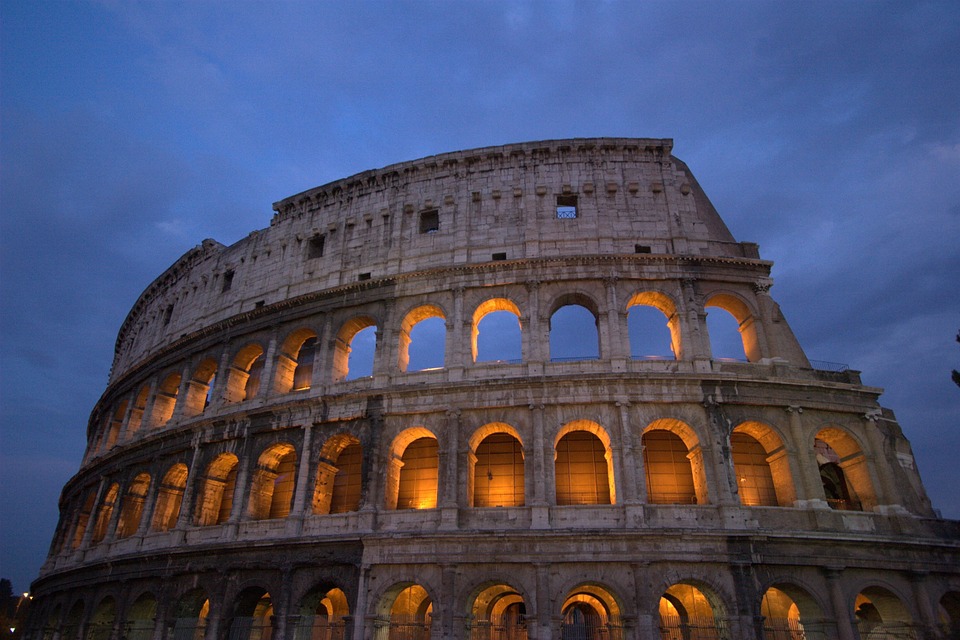
- COLOSSEUM

The Colosseum is undoubtedly one of the most iconic sights in Rome. A gigantic concrete amphitheatre surrounding the ruins of a gladiator fighting ring built by the ancient Roman. It’s exterior is one of the most impressive views of Rome. It could hold up to 80,000 people at any given time and had an elaborate set of mechanisms in order to support its various activities.
As one of the top attractions in Rome, tickets for the Colosseum regularly sell out. So our top tip when visiting Rome is to consider purchasing tickets online prior to arrival or booking a tour that can pre-purchase skip the line tickets.
- ROMAN FORUM AND PALATINE HILL
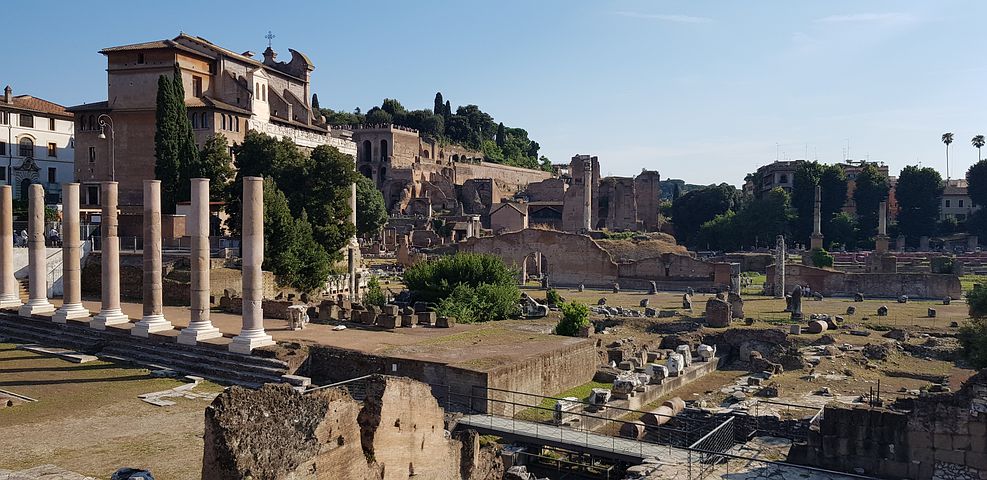
Across from the Colosseum is the Roman Forum, a vast area of land between the Capitoline and Velian hills that has some of Rome’s earliest temples, senate houses, and baths. Legend and archaeology say that early Rome was built on the Palatine Hill.
The Palatine Hill stands 40m above the Forum and the Circus Maximus, home to many Imperial Palaces and the Domus Augustana. For centuries the Roman Forum was the centre of everyday life in Rome. Public speeches and trials, processions, and commercial affairs all would have taken place here.
- ST PETER’S BASILICA

The heart of Vatican City is St. Peter’s Basilica, located a few miles from the Roman Forum and Colosseum. Contrary to popular belief, St. Peter’s is not the mother church of the Catholic religion, though it is the most famous. St. Peter’s is the world’s largest Church and also the most renowned and recognisable work of Renaissance architecture.
The Church is fronted by St. Peter’s Square, which is lined with elegant colonnades. The interior is lavishly decorated with sculptures, gilding, marble reliefs, and more. One of the most famous sculptures inside St. Peter’s is Michelangelo’s Pieta. Catholic history says that St. Peter, the first Bishop of Rome is buried under the high altar, and for this reason, many other popes are buried here.
In addition to visiting the Church’s interior, visitors can also climb the Basilica dome to the roof and look out over the piazza.
- VATICAN MUSEUMS

Adjacent to the Basilica are the Vatican Museums. These 54 galleries house everything from vast libraries to the Hall of Maps and the Sistine Chapel. The museum was founded in the early 16th century by Pope Julius II and has over 70,000 works of Renaissance art, Roman sculpture, and modern religious art. It’s no wonder it’s one of the most incredible museums in Rome.
Some of the most important and well-known works in the museum include Bellini’s Pieta, Raphael’s The Crowning of the Virgin, and Titian’s Portrait of Doge Marcello. The Sistine Chapel is the last official stop in the Vatican Museums; it is famous for its frescoed ceiling and is one of the world’s most impressive works of art.
And for a grand exit, be sure to take the helix Bramante Staircase back down to ground level. It really is one of the best things to see in Rome, so be sure not to miss it!
- PIAZZA NAVONA
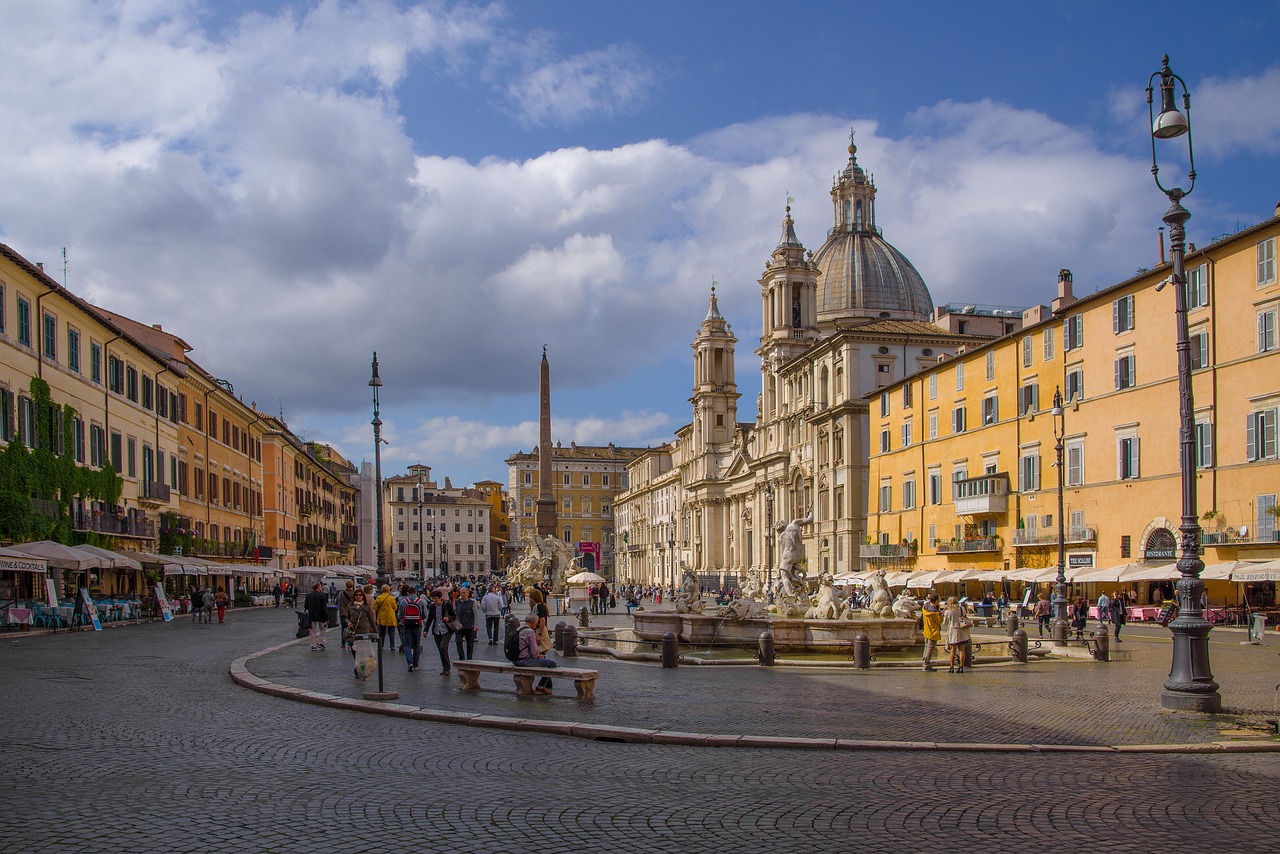
Piazza Navona is a public square in the heart of Rome, on the site of the 1st-century Stadium of Domitian. It is an elegant and important example of Baroque Roman architecture and has several former palaces facing the piazza. There are also three major fountains in the piazza. 1 The Fontana dei Quattro Fiumi at the centre of the elongated square. 2 The Fontana del Moro. 3. The southern end and the Fontana di Neptune at the northern end. Piazza Navona was featured in Angels and Demons.
- FONTANA DI TREVI
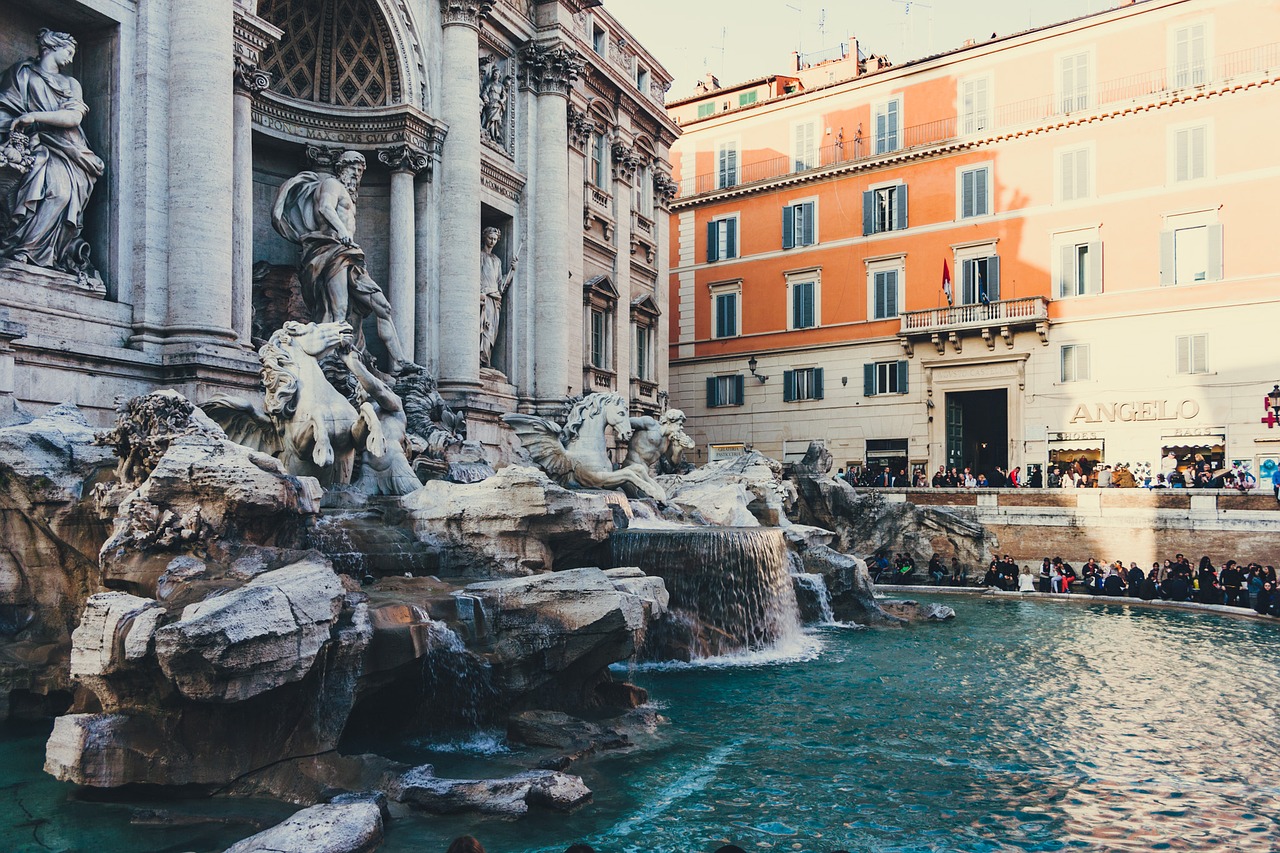
The Fontana di Trevi, or Trevi Fountain, is the largest Baroque fountain in the city, and one of the most famous fountains in the world. It is located at the intersection of three ancient roads (tre vie) and is one of the top sights in the city. The fountain sits on the site of an earlier fountain and was constructed in the 1700s. It is said that if you throw a coin over your left shoulder using your right hand, you will return to Rome. It’s estimated that over €1.5 million are thrown in yearly, and the money is used to fund a supermarket for the homeless.
- PANTHEON
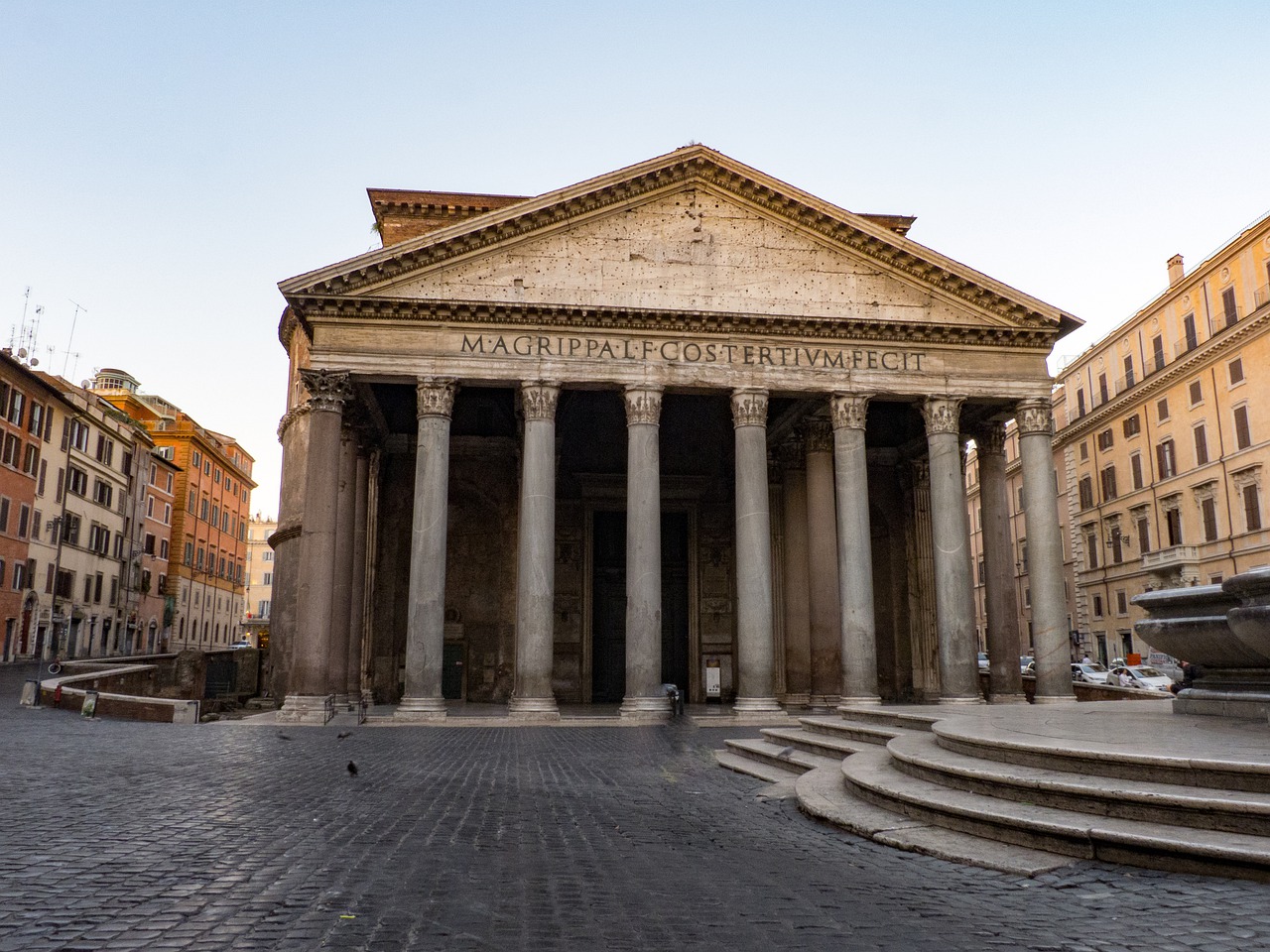
The Pantheon is a former Roman temple turned Roman Catholic church on the site of an earlier temple. The Pantheon has been in continuous use since its construction, and it, therefore, is one of the best-preserved ancient buildings.
The open oculus lets in light and rain, and the concrete dome is still the world’s largest unreinforced concrete dome. Its interior features high altars and apses with sculptures. There are also several tombs in the building; the most famous of these is Raphael. Up until recently, the Pantheon was free to enter, although in 2018 they instituted a €2 entry fee.
- SPANISH STEPS AND PIAZZA DI SPAGNA
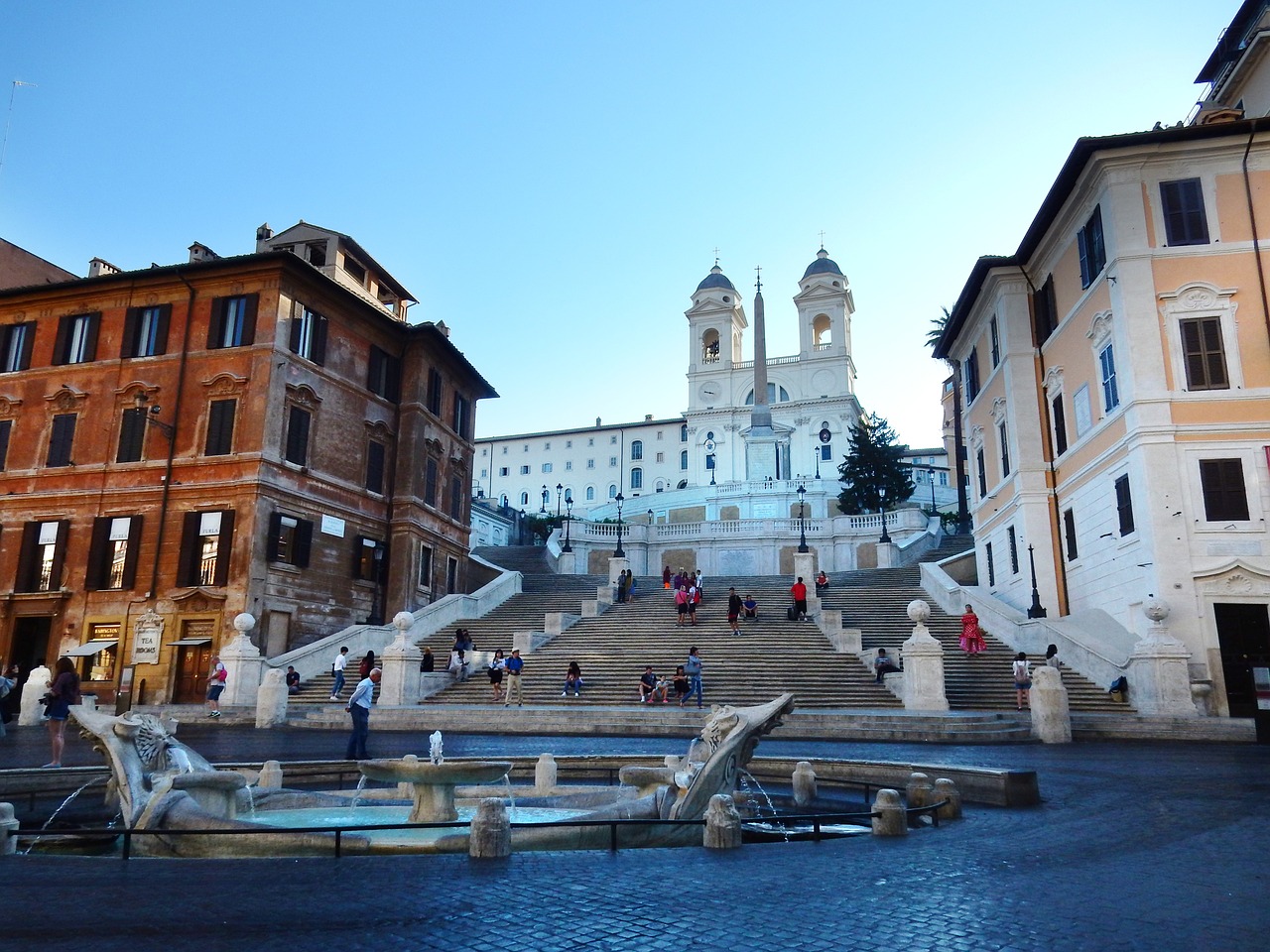
Piazza di Spagna is at the bottom of the Spanish Steps and is one of the most famous piazzas in Rome. The 135-step staircase rises from the piazza to the Trinita dei Monti church at the top. While the piazza and the staircase are often crowded, it is forbidden to sit or eat on the steps, so traffic moves fairly quickly.
- VILLA BORGHESE

The Villa Borghese and the Borghese Gardens are located on the Pincian Hill, just above the Spanish Steps and Piazza di Spagna. Villa Borghese was built in the early 17th century by Cardinal Scipione Borghese, who wanted to turn his vineyard into the most extensive gardens in Rome. Today the Borghese Gardens are the third largest public park in the city and are completely open and free to the public.
The Villa Borghese is home to the Galleria Borghese (Borghese Gallery), which has some of the most impressive collections of Renaissance work outside of the Vatican Museums. The main floor is dedicated to classical antiquities and neo-classical sculpture. Borghese was a patron of Bernini, and so visitors will also find a wide range of both his painting and his sculptures.
- CAPITOLINE MUSEUMS

The Capitoline Museums is a single museum on top of Capitoline Hill. Opened in 1734 by Clement XII, the museum actually dates back to 1471, when Pope Sixtus IV donated a collection of bronzes to the people of Rome. The collection has since expanded to include ancient statues, medieval and Renaissance art, jewels, coins, and more.
- PIAZZA DEL POPOLO
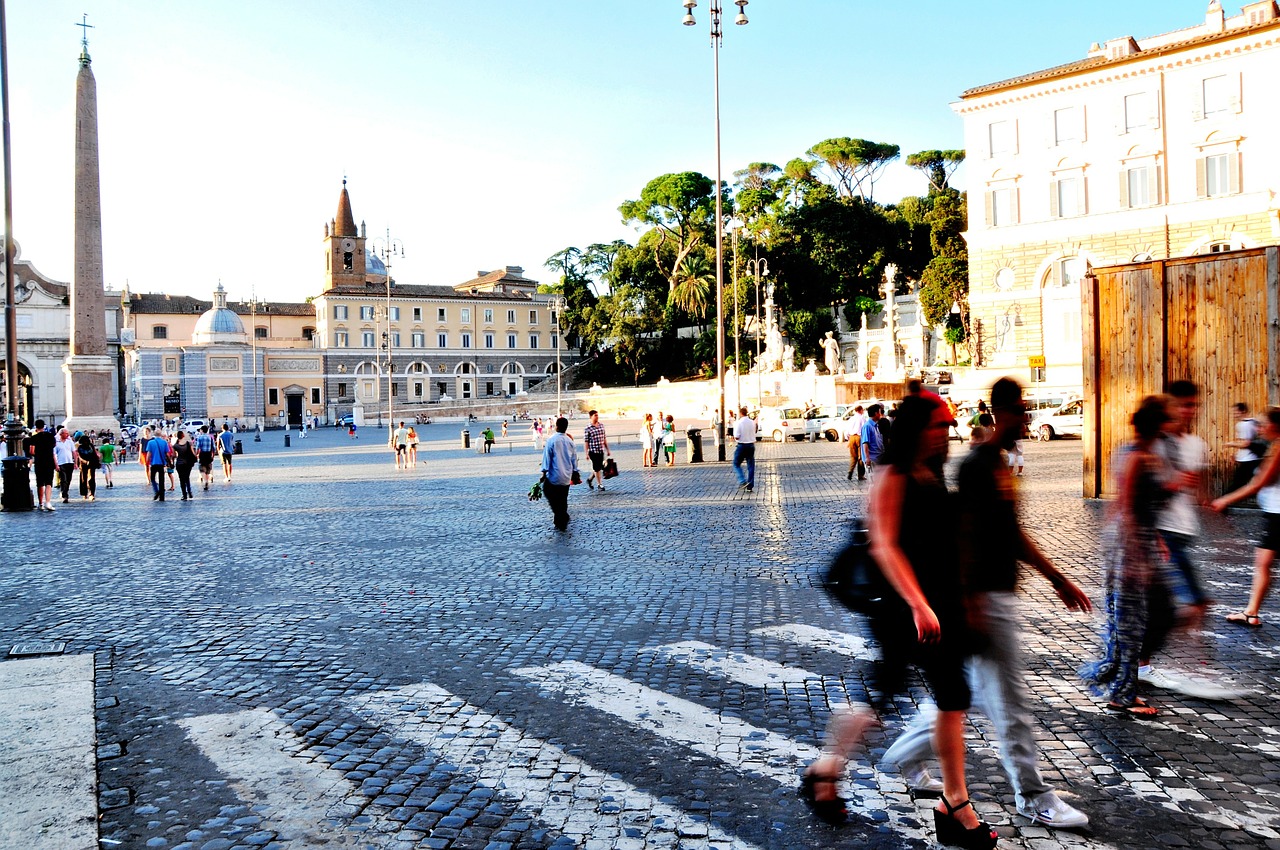
On the other side of the Spanish Steps from the Villa Borghese is the Piazza del Popolo, located just inside of the northern gate of the Aurelian Walls of the city. Highlights in the piazza include the Egyptian obelisk of Ramesses II, the twin churches of Santa Maria dei Miracoli and Santa Maria in Montesanto, and the main Church, Santa Maria del Popolo.
- CASTEL SANT’ANGELO

Hadrian’s Tomb is more commonly known as Castel SantAngelo, but was built under the direction of Emporer Hadrian as a mausoleum for himself and his family. Construction began in the year 135 and finished in 139, after which it became a military building, and in the year 403 was be integrated to the Aurelian Walls. It was connected to the Vatican in 1277 by an 800-meter fortified corridor that was built so that the Pope could escape in the event that he was in danger (which Pope Clement VII used as he took refuge in the fortress in during the sieges of 1527.
The Castel Sant’Angelo is today a museum, split into five floors with an impressive viewing platform offering panoramic views of Rome and Vatican City on its roof.
- GO CHURCH HOPPING
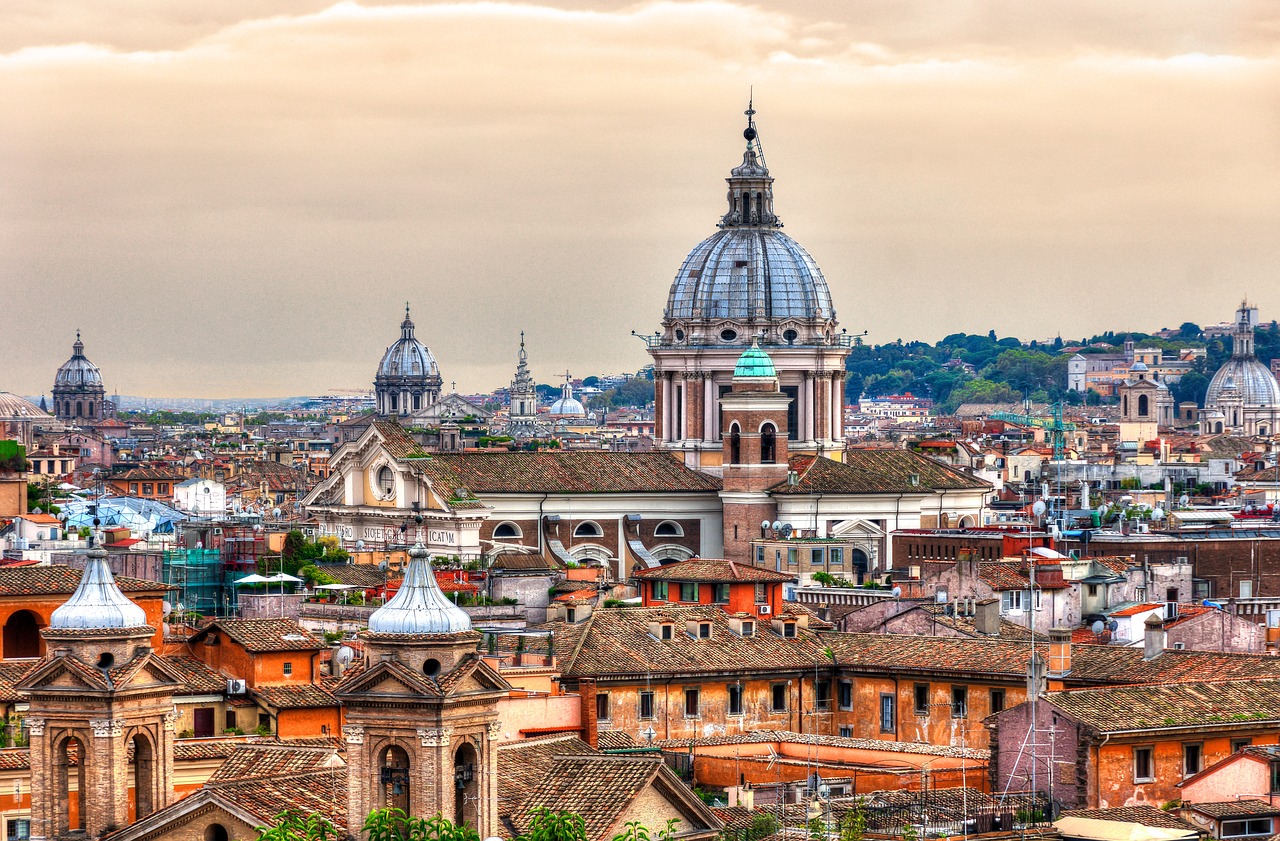
Visiting the churches in Rome, were for many centuries, the goal of the majority of Rome’s pilgrim visitors. Today’s tourists still include pilgrims, but far more visit Rome’s churches as attractions, to admire their architecture and the art treasures they hold. In them, you’ll find works by some of the greatest masters including Michelangelo, Raphael, Bernini, Caravaggio, and Sansovino.
To follow in the footprints of the pilgrims be sure to visit the seven sites that were designated as pilgrimage churches: The four patriarchal basilicas (San Giovanni in Laterano, San Pietro in Vaticano, San Paolo Fuori le Mura, and Basilica di Santa Maria Maggiore), as well as three other churches: Santa Croce in Gerusalemme, San Lorenzo Fuori le Mura, and San Sebastiano.
- VICTOR EMMANUEL II MONUMENT
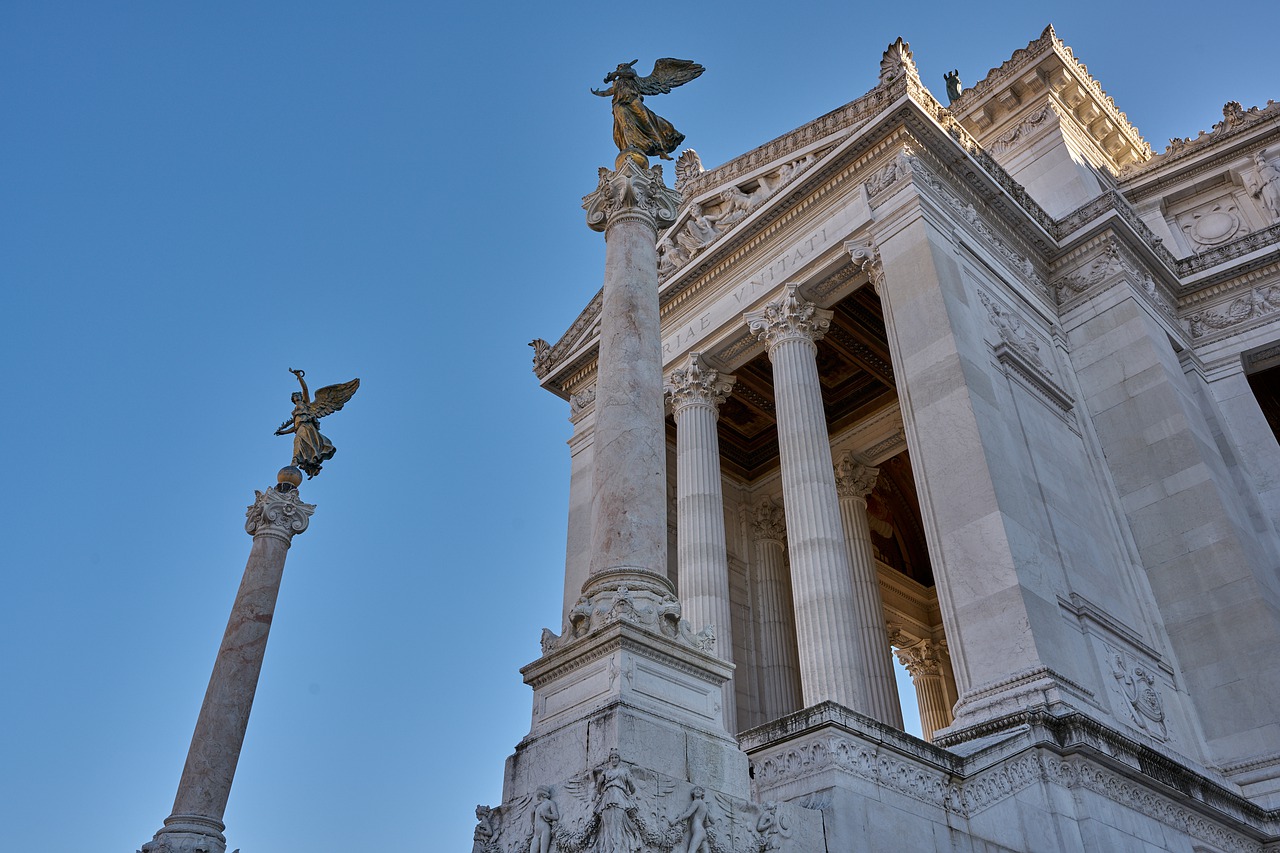
The Victor Emmanuel II National Monument is a national monument built in honour of Victor Emmanuel II, the first king of a unified Italy. It occupies a site between the Piazza Venezia and the Capitoline Hill.
An imposing building, it has since 1921, be the location of the tomb of the unknown soldier, a place in which the eternal flame shines and which is always guarded by two soldiers. Riding the elevator to its panoramic terrace also gives visitors one of the most stunning views of Rome.
- TAKE A DAY TRIP FROM ROME
AMALFI COAST
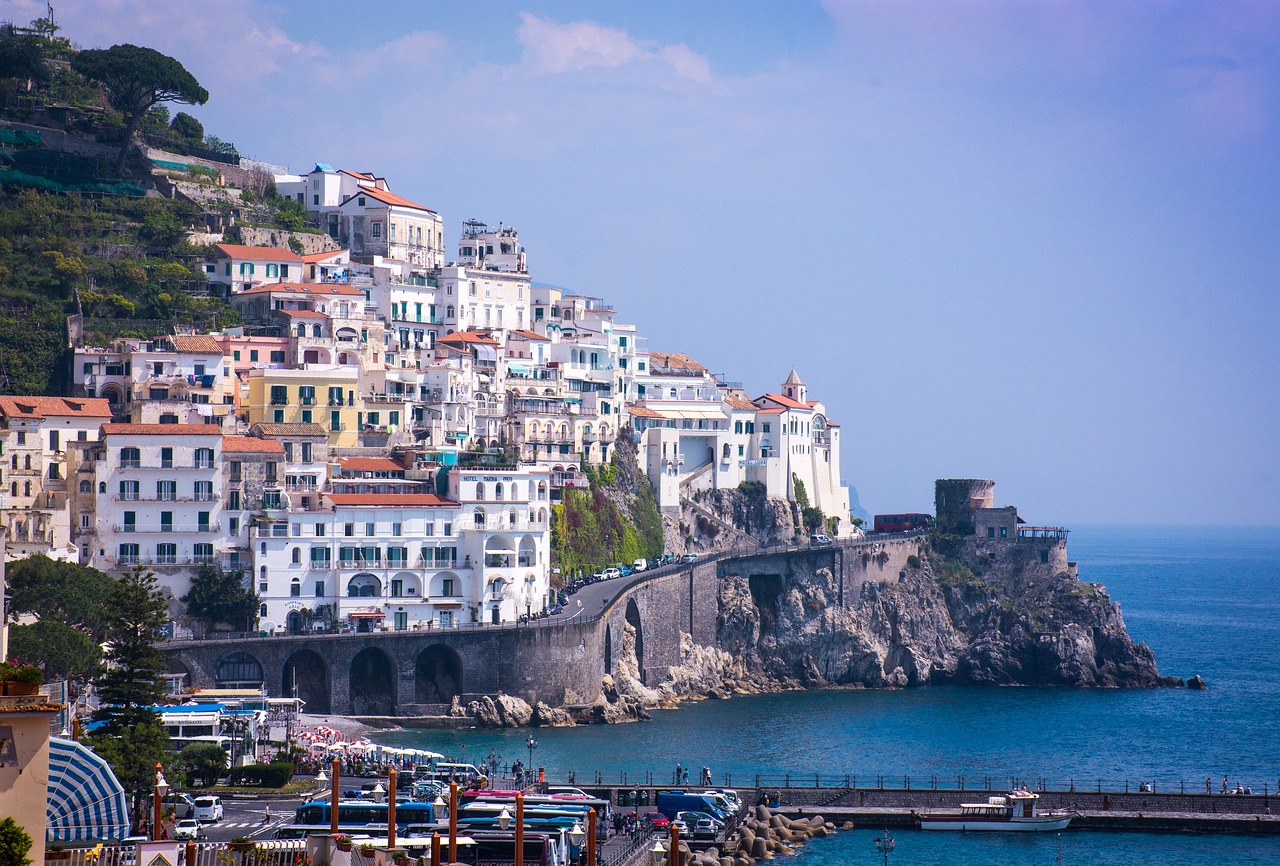
For those who are short on time but can’t miss the incredible hillside villages of the Amalfi Coast, book a full-day tour from Rome. takes visitors on the high-speed train to Naples before helping them explore the resorts of Amalfi & Positano via a comfortable coach. For those with more time on their hands or wishing to extend their Rome trip, we recommend spending around 4-5 days exploring this beautiful coastal region.
FLORENCE (AND PISA!)

Florence is located 300 km north of Rome, however, the Italian train system makes visiting it on a day trip from Rome an absolute breeze (with the express trains taking as little as 1.5hours). Once there be sure to gaze upon the Duomo di Firenze, visit the famous statue of David in the Galleria dell’Accademia museum, and stop by the famous Ponte Vecchio Bridge.
And for those wanting to add a little more to their day trip from Rome, the iconic Tower of Pisa is only an hour away from Florence by train.
POMPEII

Pompeii, the ancient Roman city is one of the most popular day trips from Rome. In AD 79, Pompeii was buried under 4–6 meters of volcanic ash during the eruption of Mount Vesuvius, which destroyed the whole city and killed around 2000 of its inhabitants. Today visitors can walk around the ancient Roman city and see the remnants of buildings. It’s a must for anyone who is interested in history and archaeological sites. An independent day trip from Rome to Pompeii can easily be achieved by train. Catch the train from Roma Termini to Napoli Centrale, walk for about one minute to Napoli Piazza Garibaldi, and catch the train to Pompeii (towards Salerno). All up, the journey takes around 2 hours.
We hope this list has been helpful. For now, we can only daydream about wandering through the Eternal City but for when your travel dreams can come true, My Travel Guy is able to customize an itinerary to suit your every need. We highly recommend spending a few days in each city, such as Rome, Florence and Venice. We look forward to tailor-making your next perfect Italian escape.
